Video is at the center of this transformation. AI video creation models enable the creation of videos that previously required complex software and lengthy production cycles. They also require special capabilities. These systems don’t just create video, but also change the way static images be made into moving and immersive stories.
Akool is at the forefront of the shift, and its technology illustrates how far AI-driven creative thinking has evolved.
From static images to live visuals
The standard video production process begins with footage. A workflow that is powered by AI that is advanced starts with an image. The Akool Video Model was created to convert static images illustrations, design, and assets into videos that feel natural. Instead of applying generic animations, the model creates depth, motion, and texture in a manner that preserves the integrity of the original image.
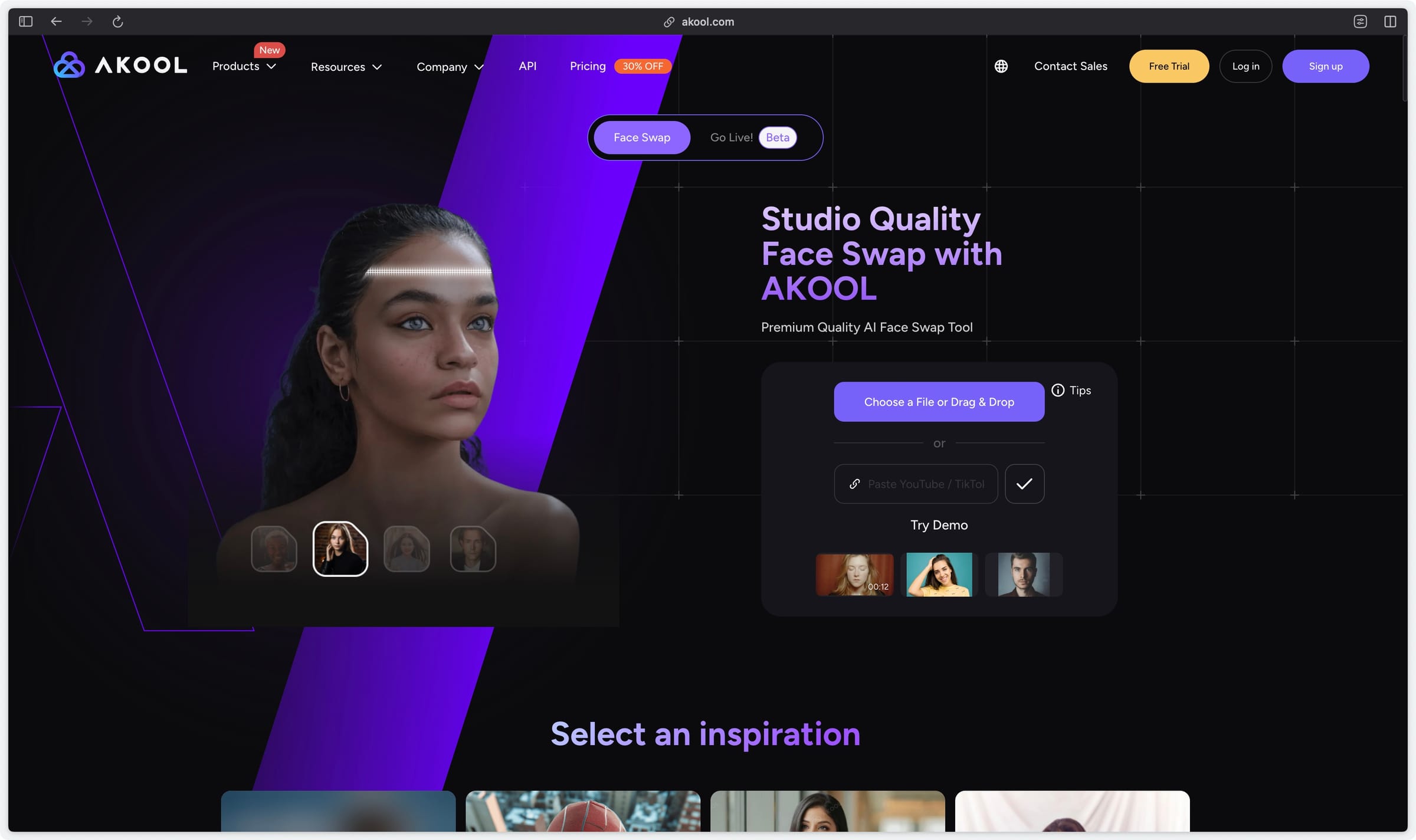
Image credit: akool.com
This is a particularly useful feature for teams with large libraries of images. Images of products, brand images or even artwork can be transformed into entertaining videos without reshoots which saves time and money, while also boosting the creative output.
Fine Motion for Cinematic Effects
One of the defining traits of a highly professional AI video model is the control. Random animation can often break immersion. Designers are now able to use advanced systems to specify what elements in the frame move, which includes their speed and direction. This leads to more smooth output.
With the fine-grained control of motion creators are able recreate subtle camera movements environmental changes, or even character actions that are more real than automated. AI-generated videos are easily integrated into marketing campaigns and digital storytelling formats and presentations with this level of precision.
You can speed up your life without losing quality
Modern AI technology challenges this idea. An advanced AI video generator can produce high-resolution clips in seconds while maintaining sharpness, color accuracy, and visual stability. AI video creation is practical due to the balance between quality and efficacy.
It is crucial to speed up the process for social media and marketing contexts, where trends change rapidly. It is possible to quickly experiment with ideas, alter images, and then publish new content. This gives creators and brands a significant advantage without increasing costs for production.
Trust is Built on Consistency
Consistency is a major challenge when it comes to AI video creation. This is especially the case in the case of human characters or even people. Akool AI models tackle the issue by preserving facial identities, expressions, and even the alignment of characters throughout the course of a video. This consistency results in more convincing videos, and also eliminates the visual sway that usually leads to viewer disengagement.
Consistency is vital for all uses, including brand ambassadors, visuals of spokespersons, and educational content. Audiences are more likely to trust and connect with visuals which feel safe and human instead of artificial or disjointed.
Real-World Workflows are Designed to Meet Your Needs
AI video software is most efficient when they are seamlessly integrated into existing creative processes. The simplicity of image-to video models that are designed for professional use is emphasized over the performance. Teams can quickly adopt AI video creation without extensive training thanks to user-friendly interfaces and speedy rendering.
Beyond individual creators, these platforms allow collaboration and innovation. Community-driven ecosystems allow users to explore examples, learn new techniques and push the boundaries of creativity through building on the same ideas.
The new standard in visual Storytelling
AI video generation has moved beyond being a novelty. It’s now a tool that is employed to create contemporary content. AI models today blend the power of imagination, realism, and speed, allowing for the expansion of what is possible using existing assets.
The tools used by Akool Video Model show the trend towards more efficient and more easily accessible video production as AI continues to advance. The future of visual storytelling is not just about generating motion but also helping the creators with the ability to transform ideas into captivating stories quicker and more efficiently than before.